Introduction
Nasal polyps are soft, painless growths inside the nose. They form on the lining of your nasal passages or sinuses. Although they are not cancer, nasal polyps can block airflow and make breathing harder. Many people with nasal polyps also notice a reduced sense of smell. Because these growths can affect daily life, it is important to know about their symptoms, causes, and treatment options.
Causes and Risk Factors
Nasal polyps often develop when the lining of the nose becomes swollen for a long time. This swelling can result from several causes. For example, chronic sinus infections, allergies, or asthma may trigger nasal polyps. In some cases, certain immune system problems can also play a role. Additionally, some people are more likely to get nasal polyps due to their family history.
Because these risk factors can overlap, it is important to talk to your doctor if you have ongoing nasal problems.
Common Symptoms
Nasal polyps symptoms can vary from person to person. However, most people notice some common signs. For instance, you may have a stuffy or blocked nose. You might also lose your sense of smell or taste. In addition, some people have frequent sinus infections or headaches. If you have any of these symptoms for more than a few weeks, nasal polyps could be the cause.
Because these symptoms can also occur with other conditions, it is important to get the right diagnosis.
Diagnosis Methods
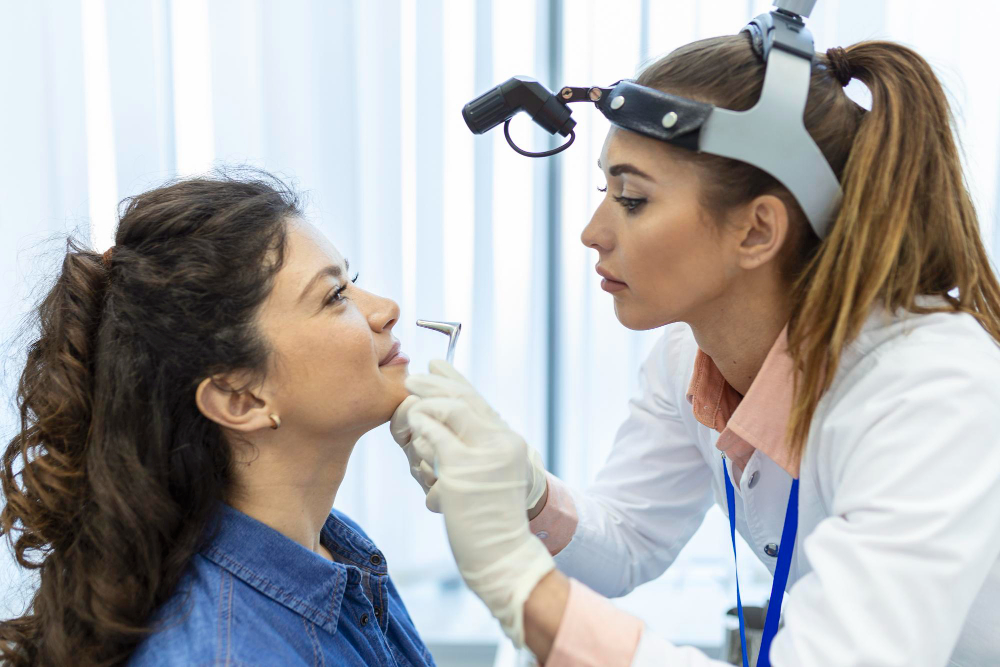
Doctors use several ways to diagnose nasal polyps. First, your doctor will ask about your symptoms and medical history. Next, they may look inside your nose using a special light or a thin, flexible tube called an endoscope. Sometimes, your doctor may order a CT scan or MRI. These tests help show the size and location of the polyps. In some cases, allergy tests may also be needed. Because early diagnosis can help prevent complications, do not delay seeing a doctor if you have ongoing symptoms.
Treatment Options
Treatment for nasal polyps depends on their size and your symptoms. Most doctors start with medicines. For example, nasal steroid sprays can shrink polyps and reduce swelling. Sometimes, oral steroids or other medicines may be needed. If medicines do not help, surgery may be an option. During surgery, the doctor removes the polyps to clear your nasal passages. However, polyps can come back, so ongoing care is important.
Because each person is different, your doctor will choose the best treatment for you.
Prevention and Lifestyle Tips
Although not all nasal polyps can be prevented, some steps may help lower your risk. For instance, managing allergies and asthma can reduce swelling in your nose. In addition, using a humidifier can keep your nasal passages moist. Washing your hands often may also help prevent infections. If you have nasal polyps, following your doctor’s advice can help prevent them from coming back.
Because prevention is easier than treatment, these tips can help you stay healthy.
When to See a Doctor
If you have nasal polyps symptoms that last more than a few weeks, see a doctor. Also, if you have trouble breathing, severe headaches, or vision changes, seek medical help right away. Early treatment can prevent complications and improve your quality of life.
Consult an ENT specialist at Inone ENT Clinic for personalized advice on nasal polyps.